
Monthly Cottage Rentals in Ontario: An Owner's Winter Plan
Winter isn't the off-season. It's the season most owners skip. Here's how to keep your cottage earning from November to April, with your own weekends still on the calendar.
It's a Sunday in November. You've turned the thermostat down, locked the door and started the long drive back to the city.
Somewhere on the highway, the thought arrives: the place you love is about to sit empty until spring. The heat still runs. The snow still falls. The property tax bill doesn't care what month it is.
If you've been looking into monthly cottage rentals in Ontario, you've probably asked the same question: could winter pay its own way? It can, if you plan it in the right order.
Why winter feels like the off-season (and why it isn't)
Most of us think of renting as a summer thing. Summer is when the dock is in and the phone rings on its own.
But a cottage doesn't stop costing you in January. Heat, snow clearing and property checks carry on whether anyone is there or not.
And Canadians are still travelling closer to home. Statistics Canada reported on October 13, 2026 that Canadian-resident return trips from the United States by automobile in September 2026 were 31.1% lower than in September 2024. Fewer drives south can mean more people looking at a winter week, or a winter month, in Ontario instead.
The catch: rules, paperwork and an empty house
So why do so many cottages sit dark all winter? Usually it's one of three worries.
1. Your township may not allow short stays yet
Many towns now license short-term rentals. In the Township of Muskoka Lakes, a short-term rental is a stay of 28 days or less, according to the Township's For Operators page. By-law 2025-049 says no one may operate or advertise one without a licence. Stays of 29 nights or more fall outside that licence.
Every town writes its own rules, so check yours. Our guides cover Muskoka Lakes short-term rental licence rules, the Huntsville short-term rental licence guide and the Gravenhurst short-term rental licence guide.
2. A month feels like a different kind of stay
It is. A weekend guest leaves Sunday. A monthly guest unpacks. Owners worry, fairly, about whether a long stay turns into a tenancy.
Ontario's Residential Tenancies Act says, in section 5(a), that the Act does not apply to living accommodation intended for the travelling or vacationing public, or occupied for a seasonal or temporary period, in places including a cottage or a vacation home. Section 9 lets a landlord or tenant ask the Landlord and Tenant Board to decide whether the Act applies. That is why the paperwork matters. This isn't legal advice, so have your lawyer review your agreement once.
3. Nobody is there to notice problems
Snow piles up on the steps. A furnace hiccups at 2 AM. In an empty cottage, nobody knows until someone opens the door.
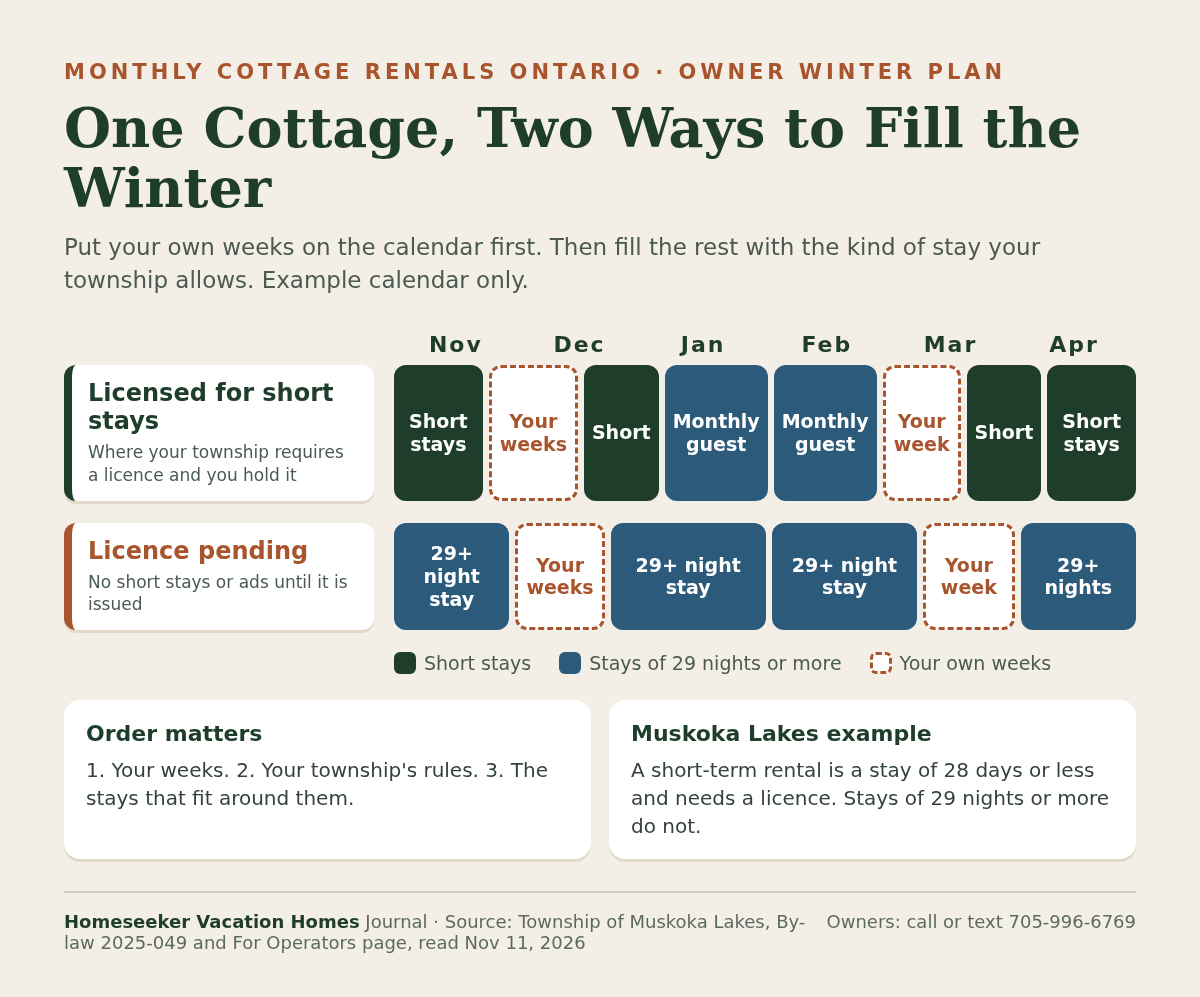
The shift: plan the calendar in order, your weeks first
The owners who make winter work don't start by asking how to fill every night. They start by asking when they want the cottage for themselves.
Once your weeks are blocked, the rest is a simple decision. If you hold the licence your town requires, you can mix short winter stays with monthly guests. If your licence is still pending, every stay is 29 nights or more. Then one plan covers heat, snow and checks for the whole season.
The one-line rule: your own weeks go on the winter calendar first. Everything else fills in around them, in the way your township allows.
Your winter rental plan in 5 steps
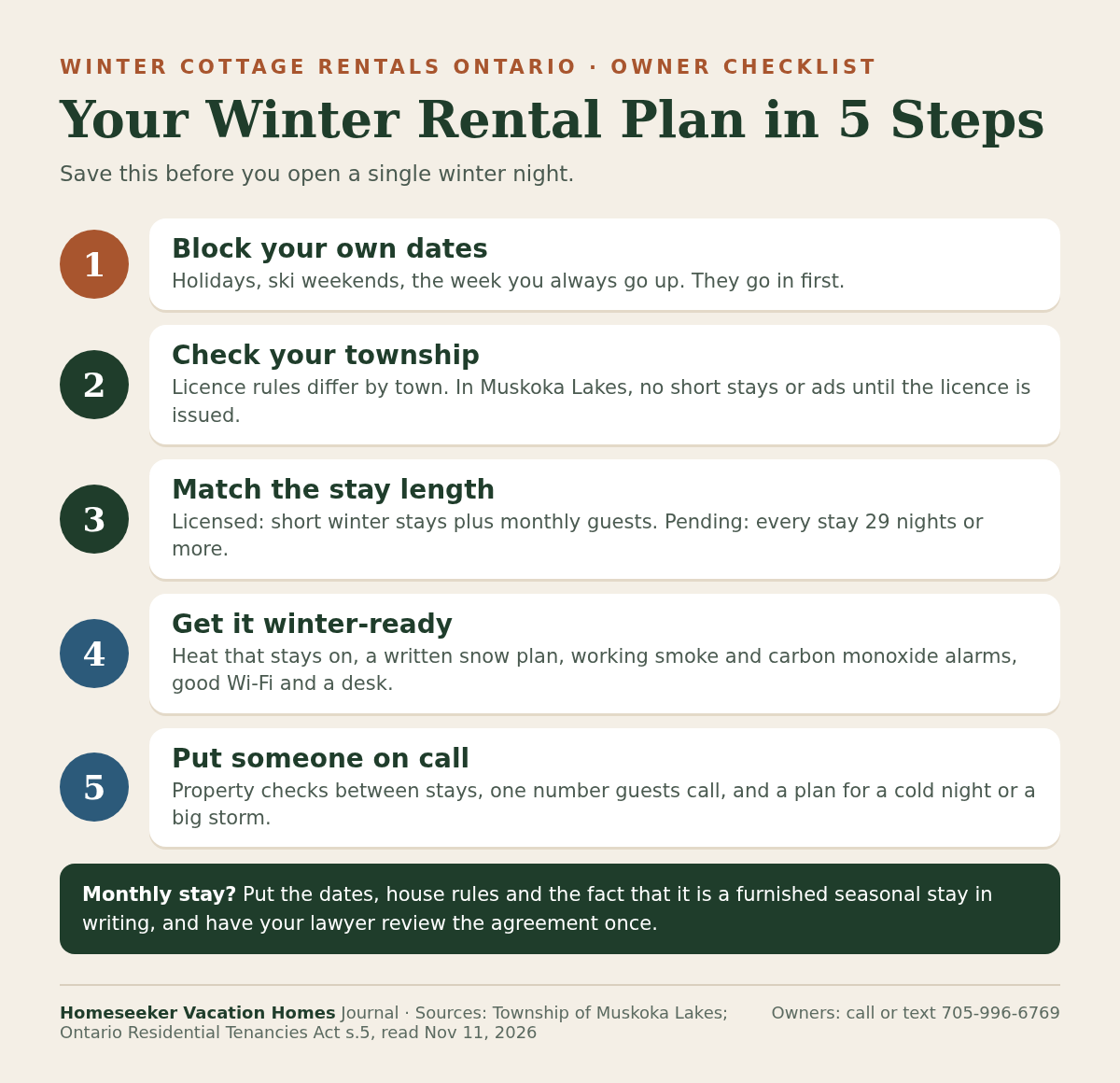
Step 1: Block your own dates first
Holidays, a ski weekend, the week you always go up. Put them in before anything else. Our guide to how you can rent out your cottage and still use it walks through owner weeks in more detail.
Step 2: Check your township's rules before you list
Find out three things: does your town license short-term rentals, how does it define one, and can you advertise while you wait? In Muskoka Lakes, the answer to the last one is no for short stays until the licence is issued.
Step 3: Match the stay length to your licence
Licensed? Winter weekends and holiday weeks can sit beside a monthly guest in January and February. Licence pending? Make sure every stay is at least 29 nights. That's exactly how we set up the homes in our care that are waiting on a licence: a 29-night minimum until the licence arrives.
Step 4: Get the cottage winter-ready
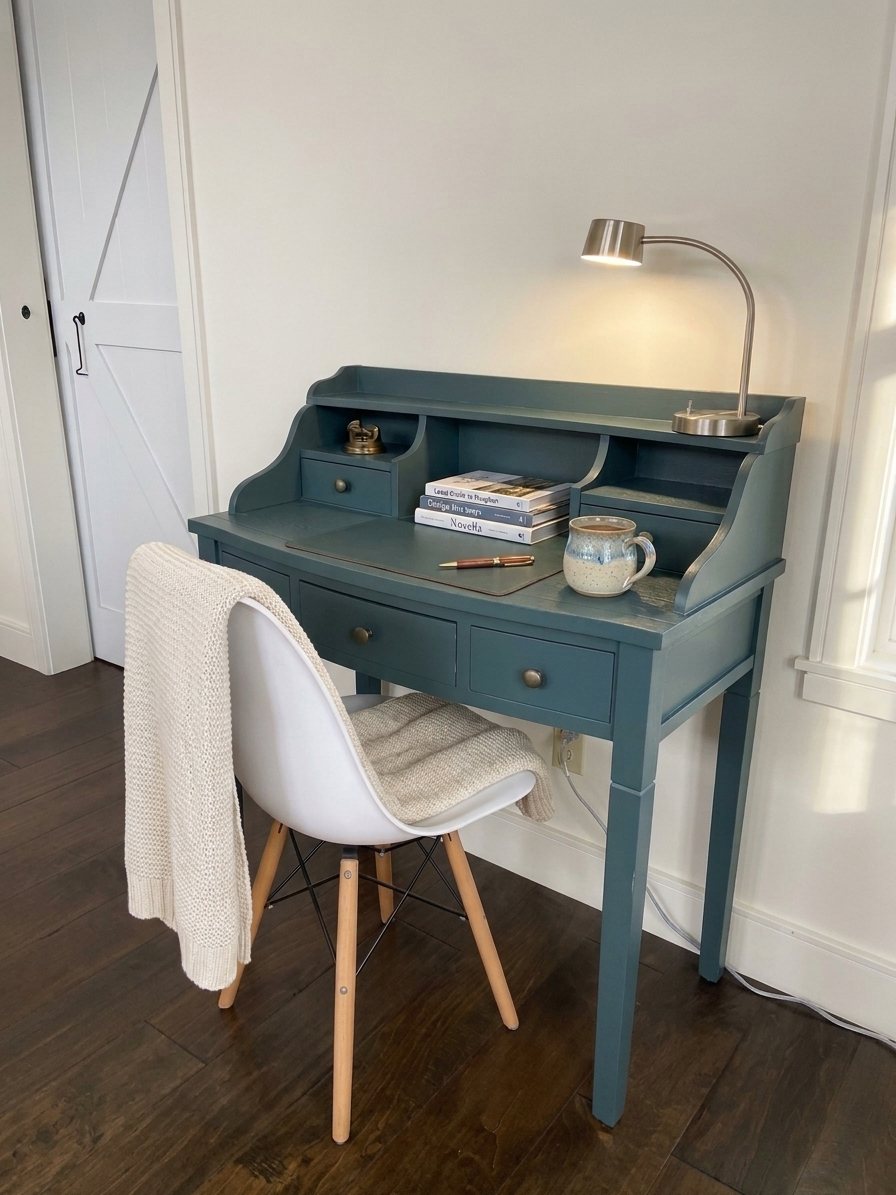
A winter guest needs a warm, safe, easy house. Start with heat that stays on, a written snow plan and working smoke and carbon monoxide alarms. Our guides to snow removal for rental cottages and the Ontario carbon monoxide alarm rule cover both. For a monthly guest, add reliable Wi-Fi and a real place to sit and work.
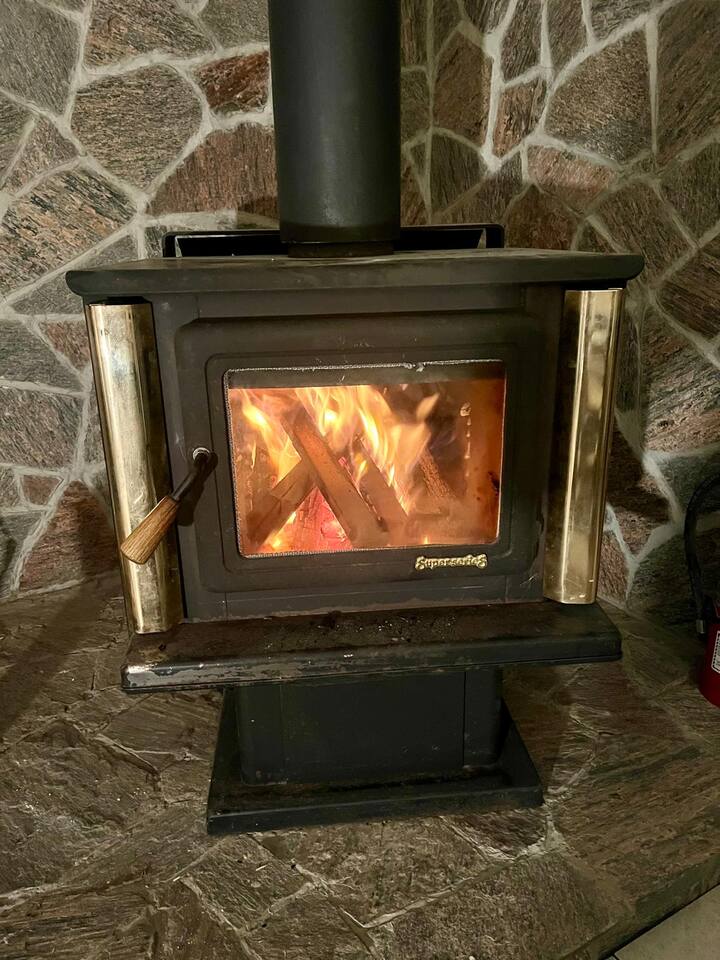
Here's what that looks like at one of our homes. At Sunrise Vista (Brandy Lake), the winter setup is written down: the dock is closed and the watercraft are stored, snow shovels and a sand and salt bin are out for guests, and the driveway and walkway are cleared once snow reaches 4 inches. The thermostat stays in heat mode, with a comfortable range guests can set themselves.
Step 5: Put someone on call and on schedule
Decide who does property checks between stays, which one number guests call, and who goes out on a cold night when something isn't right. Write it down before the first guest arrives, not during the first storm.
Want a second set of eyes on your winter calendar? Call or text 705-996-6769 and we'll walk through it with you.
Monthly cottage rentals in Ontario: quick answers
Do I need a short-term rental licence for a monthly stay?
In Muskoka Lakes, stays of 29 nights or more fall outside the short-term rental licence, because the Township defines a short-term rental as 28 days or less. Other towns set their own rules, so check with yours.
Can I advertise while my licence is pending?
In Muskoka Lakes, not for short stays. By-law 2025-049 counts advertising as marketing a short-term rental, which needs a licence. You can offer stays of 29 nights or more in the meantime.
Will a monthly guest become a tenant?
Ontario's Residential Tenancies Act excludes seasonal or temporary stays in a cottage or vacation home (section 5(a)), and the Landlord and Tenant Board can decide whether the Act applies (section 9). Use a clear written agreement, and ask your lawyer to review it.
Can I still use my cottage in winter?
Yes. That is the whole point of blocking your own weeks first. The rest of the calendar fills around you.
What about a home in Toronto?
City rules are different. The City of Toronto says short-term rentals are only allowed in a person's principal residence, and listings must show a City registration number. If you own in the Greater Toronto Area, see our page on Toronto Airbnb management.
Where we help owners in winter
We offer Muskoka cottage rental management and Muskoka cottage property management, and we work with owners well beyond Muskoka: see Parry Sound cottage rental management, Georgian Bay cottage rental management, Lake Simcoe cottage rental management and Lake of Bays cottage management. Owners and guests give us 4.9 stars across 100 Google reviews.
Curious what the rest of the year could look like? Read how much can I make renting my Muskoka cottage, and keep the Ontario cottage rental HST and tax guide handy.
About this guide: travel figures are from Statistics Canada's Leading indicator of international arrivals to Canada, September 2026, released October 13, 2026. Muskoka Lakes rules are from the Township of Muskoka Lakes For Operators page and By-law 2025-049, read November 11, 2026. Residential Tenancies Act sections 5(a) and 9 are from ontario.ca e-Laws, read November 11, 2026. Toronto rules are from the City of Toronto's short-term rental page, read November 11, 2026. Sunrise Vista's winter setup is from our property notes for this winter. Not legal advice; confirm current rules with your township and your lawyer.


